
Home | About Us | Our Story

Our Story
A creative legacy reimagined for artists and community
From Toi Pōneke to Toi Aro, our story is one of evolution — building on a strong creative legacy while creating new opportunities for artists, audiences, and communities to connect, create, and thrive.
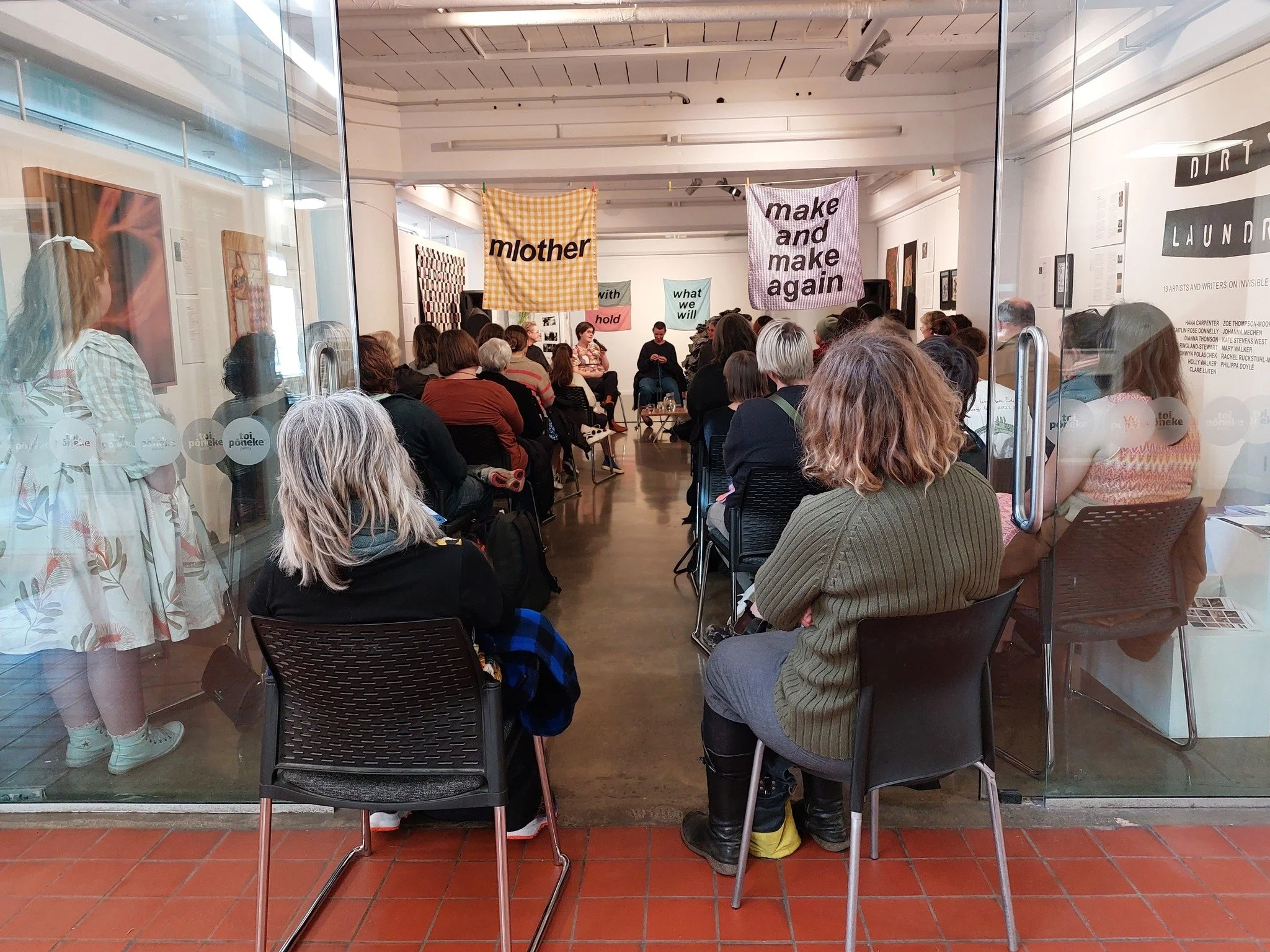
In 2005, residents of upper Cuba Street approached Wellington City Council for support to keep their artistic community alive during a period of rising rents and displacement caused by the Wellington Inner-City Bypass.
The Council responded by establishing Toi Pōneke as a hub for arts and creativity in the inner city.
What Toi Pōneke provided
Toi Pōneke supported Wellington’s creative communities by:
connecting and growing creative networks
supporting artist learning and career development
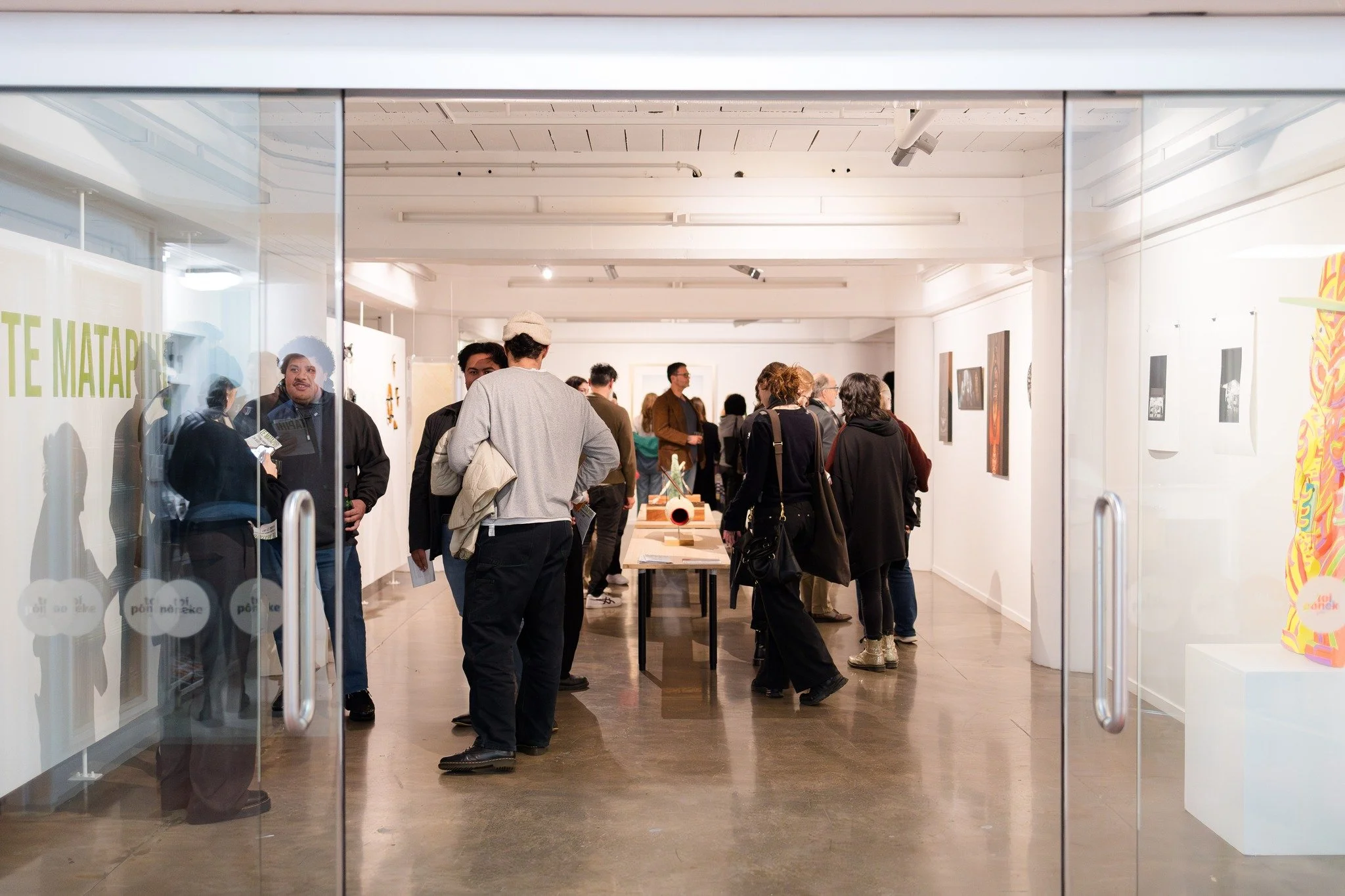
providing a welcoming, accessible space
encouraging experimentation and collaboration
For many, it was a starting point — a place to make work, share ideas, and be part of a wider creative community.
Why it needed to evolve
As the city changed and the needs of artists evolved, it became clear the space needed to do more than provide a place to work.
It needed to better support how creative practice develops, connects, and is shared.

Reimagining the space
As the creative sector continues to evolve, so too must the spaces that support it.
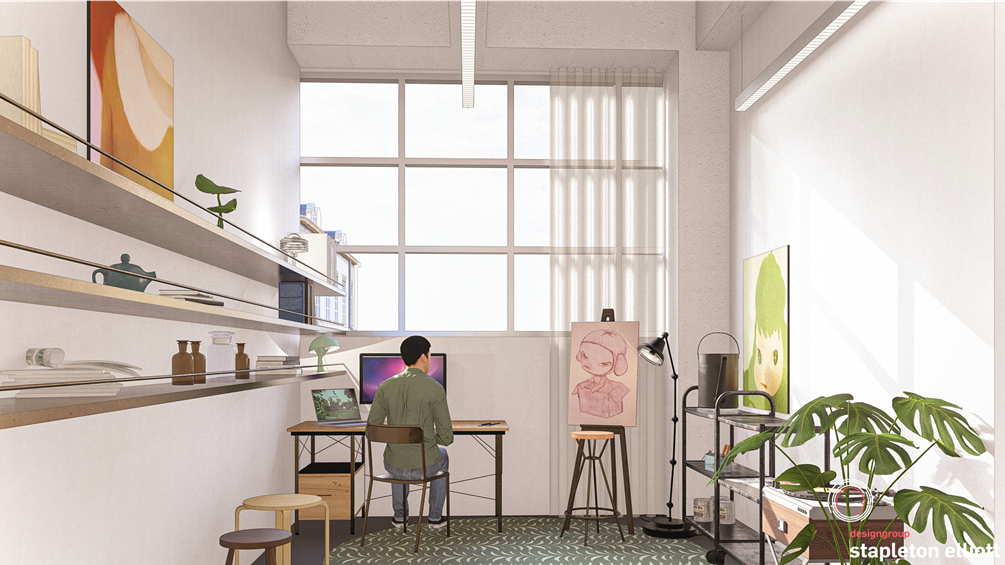
The Reimagining Toi Pōneke Project (RTP) was developed to rethink how the building could better serve artists, communities, and the wider creative ecosystem.
This wasn’t about replacing what existed — it was about building on it.
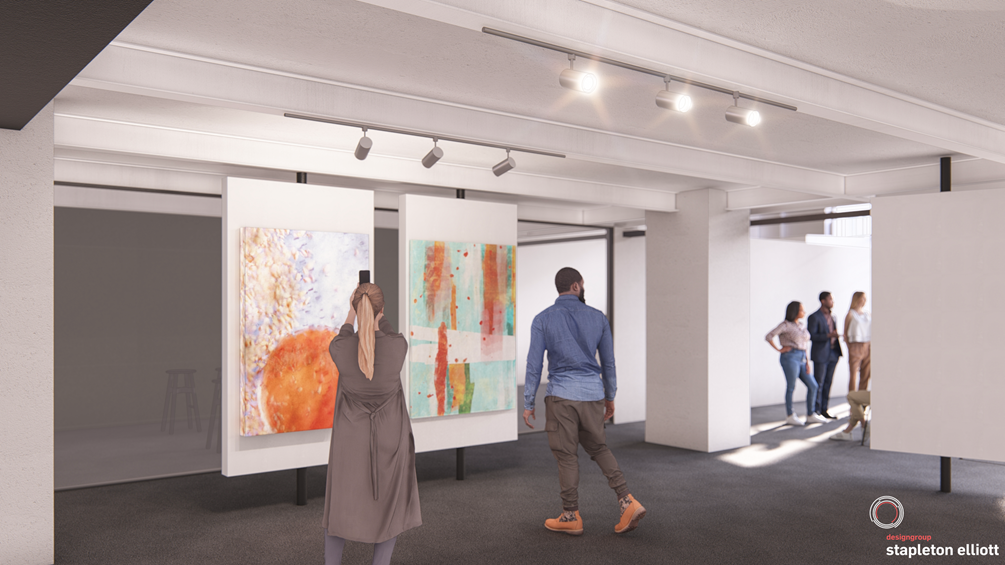
From Toi Pōneke to Toi Aro
Toi Aro reflects a shift toward a more connected and sustainable creative environment.
It brings together spaces, programmes, and opportunities into a more intentional system — supporting artists not just to access space, but to develop work, connect with others, and share it with audiences.
This is not simply a change in name. It is a shift in how the space operates.
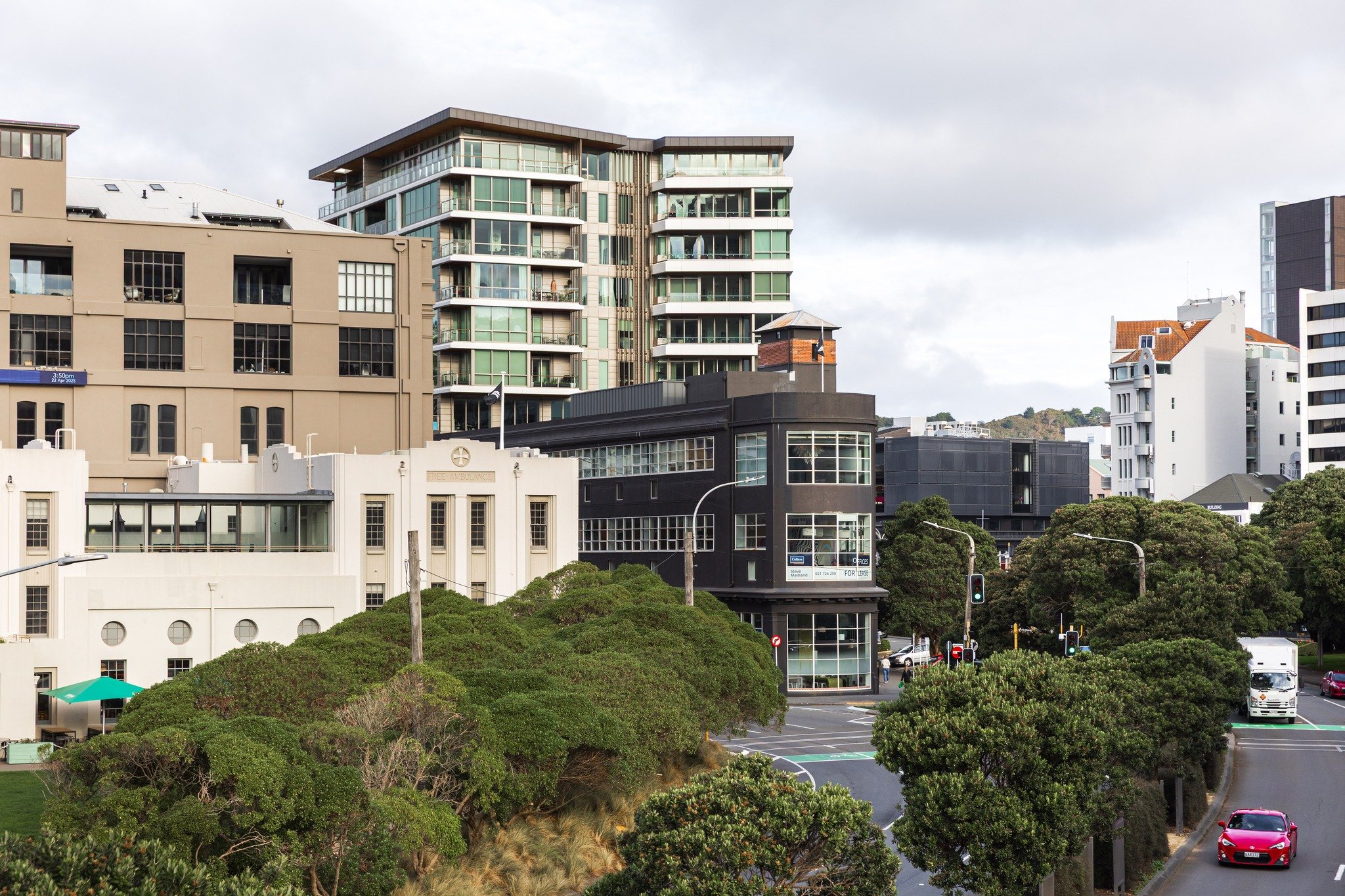
A connected approach
The Reimagining Toi Pōneke Project (RTP) underpins how Toi Aro operates.
It introduces a more structured approach to how spaces are used, how artists are supported, and how the building is activated over time.
This includes:
long-term tenancies
short-term hire
public programming
opportunities for development and presentation
Together, these elements create a more connected system — where creative work can move from idea to outcome within the same space.
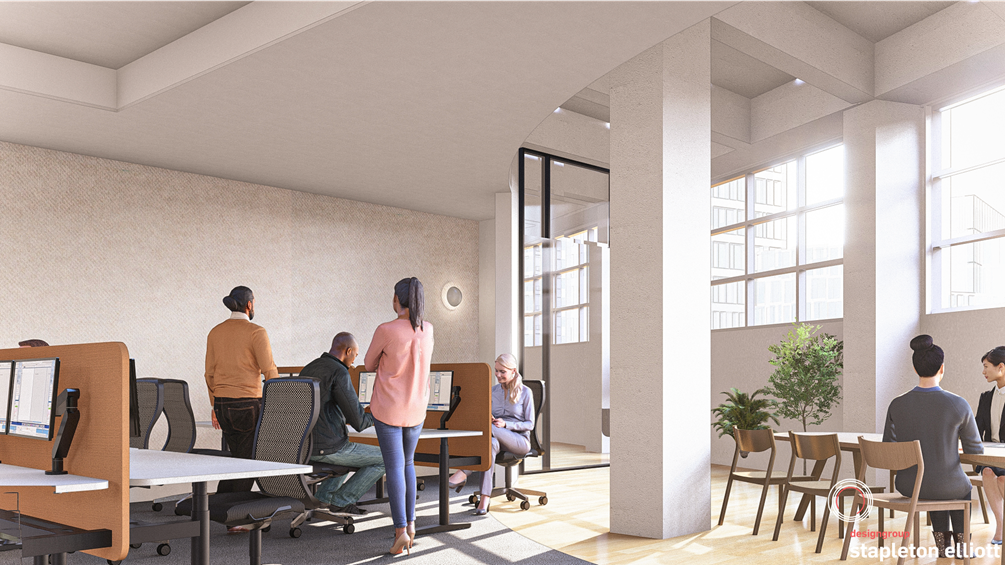
Toi Pōneke created space for artists to begin. Toi Aro continues that legacy — supporting what comes next.